If you have ever said yes when you actually wanted to say no and feel guilty for putting your needs first. Then you are definitely struggling with boundaries which is something more common than you think it is. Healthy boundaries are simply the guidelines that protect your time, energy, and emotional space. They help others understand what feels comfortable for you and what doesn’t.
In a world where everyone demands your time and attention, setting healthy boundaries is not something that pushes people away from you, rather it’s about creating healthier ways to connect. When your limits are clear, your relationships become more respectful, balanced, and emotionally safe. And the best part is, anyone can learn to set boundaries even if it feels difficult at first.
In this blog you will discover why boundaries are essential, how to recognize the areas where you need them and practical tips to start setting them with confidence. With small steps you can create a life that feels lighter, clearer and emotionally secure.
Why Healthy Boundaries Matter (Research Insight)
A Research study published by the American Psychological Association (APA) shows that individuals who set clear personal boundaries experience lower stress levels, improved mental resilience and better relationship satisfaction. Boundaries act as emotional safety nets, they prevent overwhelm and burnout while helping you stay aligned with your own priorities and well-being.

Why People Struggle With Setting Boundaries
It is very essential to set healthy boundaries even though many people still find it difficult. This struggle usually doesn’t come from a lack of desire but it comes from a deep emotional pattern and learned behaviors. Here are some common reasons why people struggle with boundaries.
- Fear of Rejection or Conflict
Many people worry that saying no will disappoint others or create conflict. This fear often pushes them into saying yes to things they don’t have the capacity for.

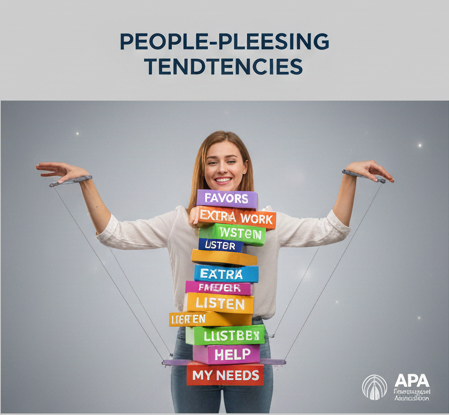
- People-Pleasing Tendencies
Some individuals grow up believing their worth depends on how helpful or agreeable they are. This makes it hard to prioritize their own needs.
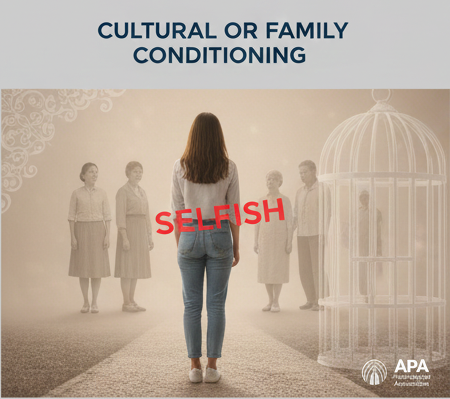
- Cultural or Family Conditioning
In some families or cultures placing personal needs first is labeled as selfish. This creates guilt when trying to assert boundaries as an adult.
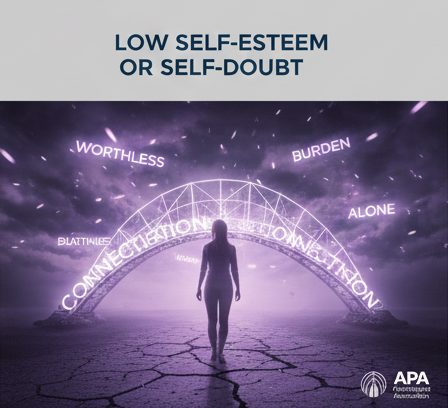
- Low Self-Esteem or Self-Doubt
When someone doesn’t feel confident in their value they may tolerate disrespect, overwork, or emotional strain to avoid losing connection.
Types of Boundaries Everyone Should Know
Healthy boundaries come in several forms and understanding each type helps you recognize where you may need more clarity or protection.
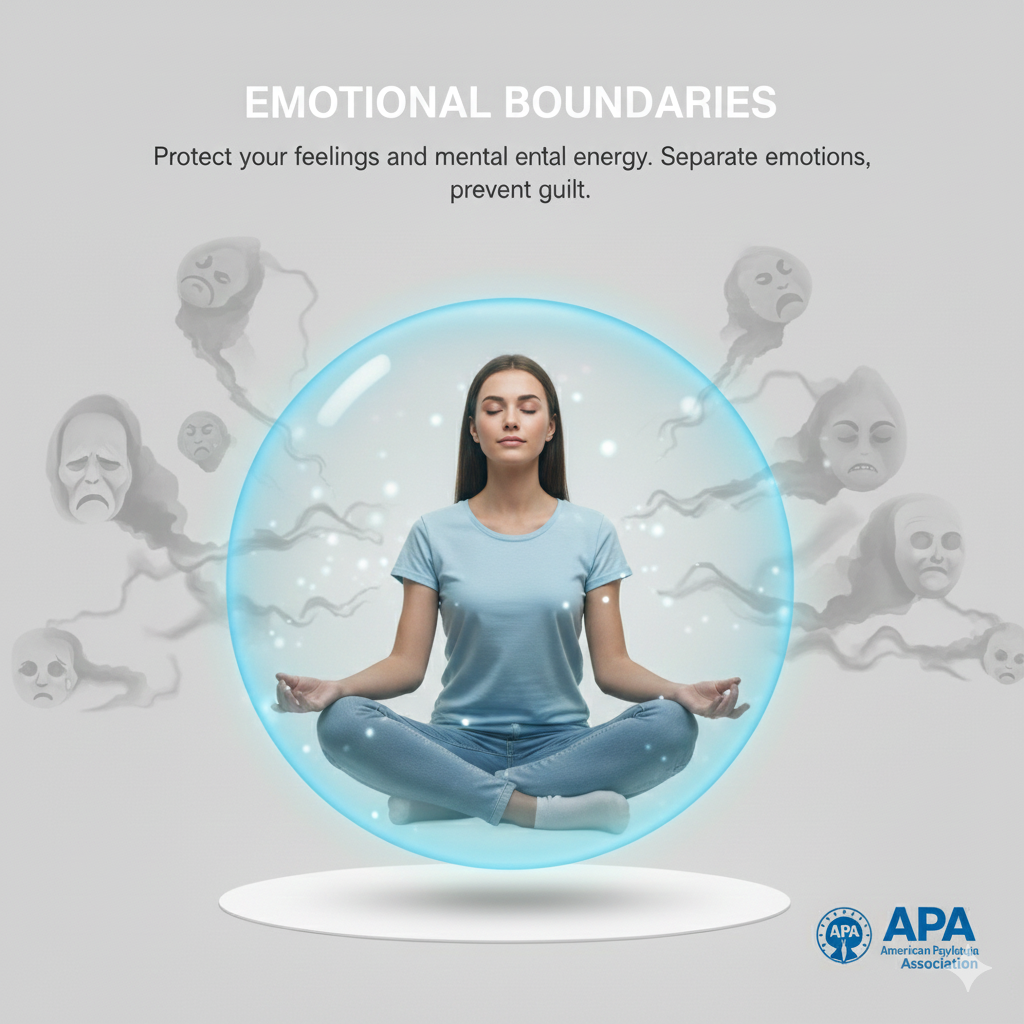
Starting from Emotional boundaries that protect your feelings and mental energy. They help you separate your emotions from others and prevent you from taking on guilt or responsibility that isn’t yours.
Time boundaries protect your schedule and personal bandwidth. Without them it’s easy to overcommit and feel overwhelmed. Setting limits around when you work, rest or socialize helps you stay focused and maintain balance.

Physical boundaries involve your comfort with personal space, touch and physical privacy. These boundaries ensure you feel safe and respected in both casual and close relationships.

Work boundaries prevent burnout and protect your professional well-being. These include clarifying your workload limiting after hours communication and setting realistic expectations with colleagues or clients.

Finally, digital boundaries help you control how much access others have to you online. Limiting screen time, turning off notifications and setting device free hours can reduce stress and protect your mental clarity in a constantly connected world.

How to Identify Where You Need Boundaries
Knowing where you need boundaries starts with paying attention to how you feel. If certain people, situations or environments leave you feeling drained or overwhelmed that’s usually a sign your boundaries need strengthening. Emotional exhaustion is one of the clearest indicators that something in your life is crossing your limits.

Another powerful sign is resentment. When you say yes out of pressure or guilt, you often feel irritated or taken advantage of afterward. According to researcher Brene Brown resentment is usually a signal that your needs are being ignored- often because you didn’t express them.

You may also need boundaries if you struggle to say no or if you feel responsible for other people’s emotions. Feeling guilty for taking time for yourself or constantly overcommitting are strong warnings that your emotional or time boundaries are weak. When these signs appear consistently it’s time to set clearer limits to protect your well-being.

Step-by-Step Guide on Setting Healthy Boundaries
Setting healthy boundaries starts with understanding your limits. Take time to notice what makes you feel stressed, uncomfortable or overwhelmed. Writing down your needs can help you gain clarity and feel more confident about expressing them.

When you are ready to communicate a boundary keep the message simple and direct. Using “I” statements- such as I’m not available at that time, which keeps the conversation respectful and clear. You don’t need long explanations or apologies to validate your boundary.

Begin with small manageable boundaries. This might mean saying no to a task you can’t take on or limiting how long you spend on certain activities. Small steps build confidence and make boundary setting feel more natural over time.
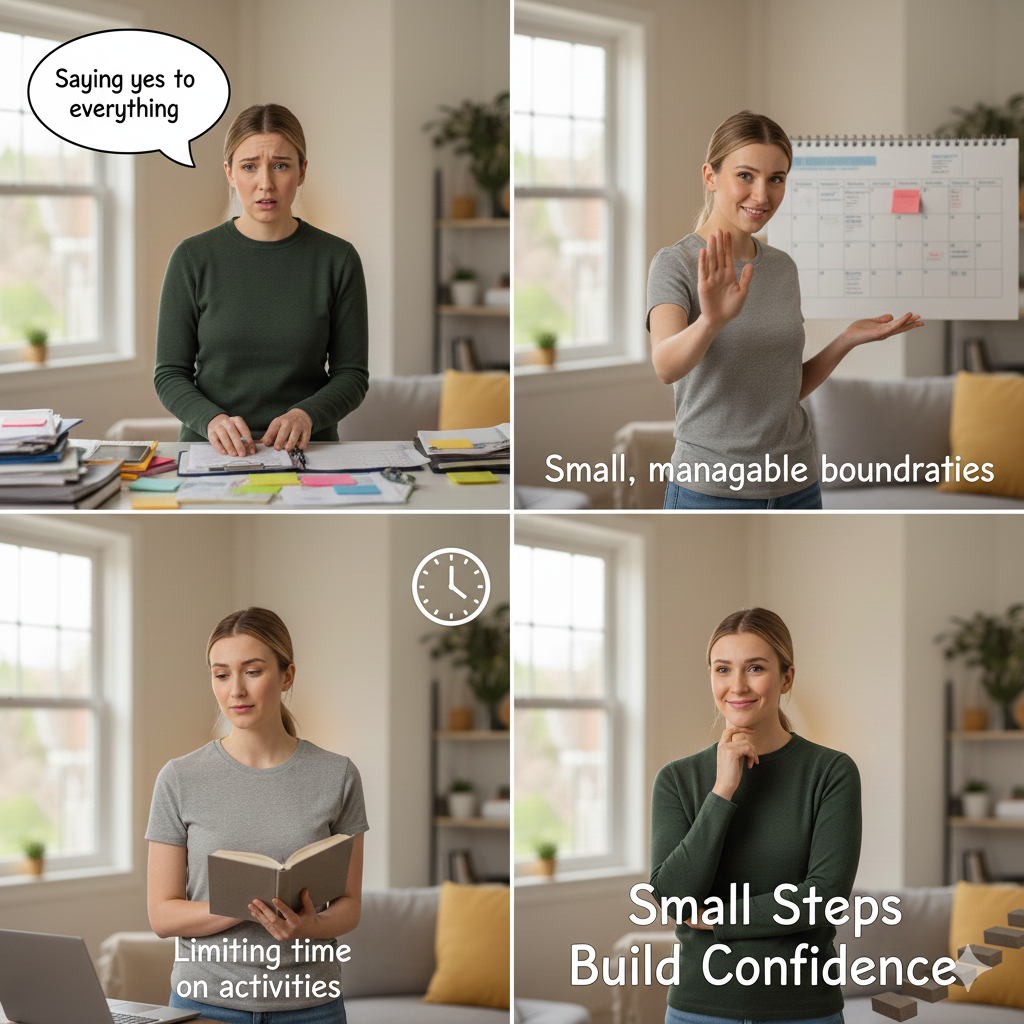
Consistency is essential. People may push back or forget your limits- so calmly restating your boundary helps reinforce it. Research shows that repeated clear communication creates stronger understanding and respect.

Finally, be patient with yourself. Setting boundaries can feel uncomfortable at first especially if you are used to pleasing others. With practice it becomes easier and your peace, energy and emotional health will improve significantly.

How to Communicate Boundaries Clearly and Confidently
Clear communication is the key to making your boundaries work. Start by expressing your needs using simple respectful language. You don’t need to justify or defend your limits- just state them calmly and confidently.

Using assertive communication helps you stay firm without being aggressive. This means speaking clearly, keeping steady eye contact and maintaining a calm tone. Assertiveness shows you value both your needs and the relationship.
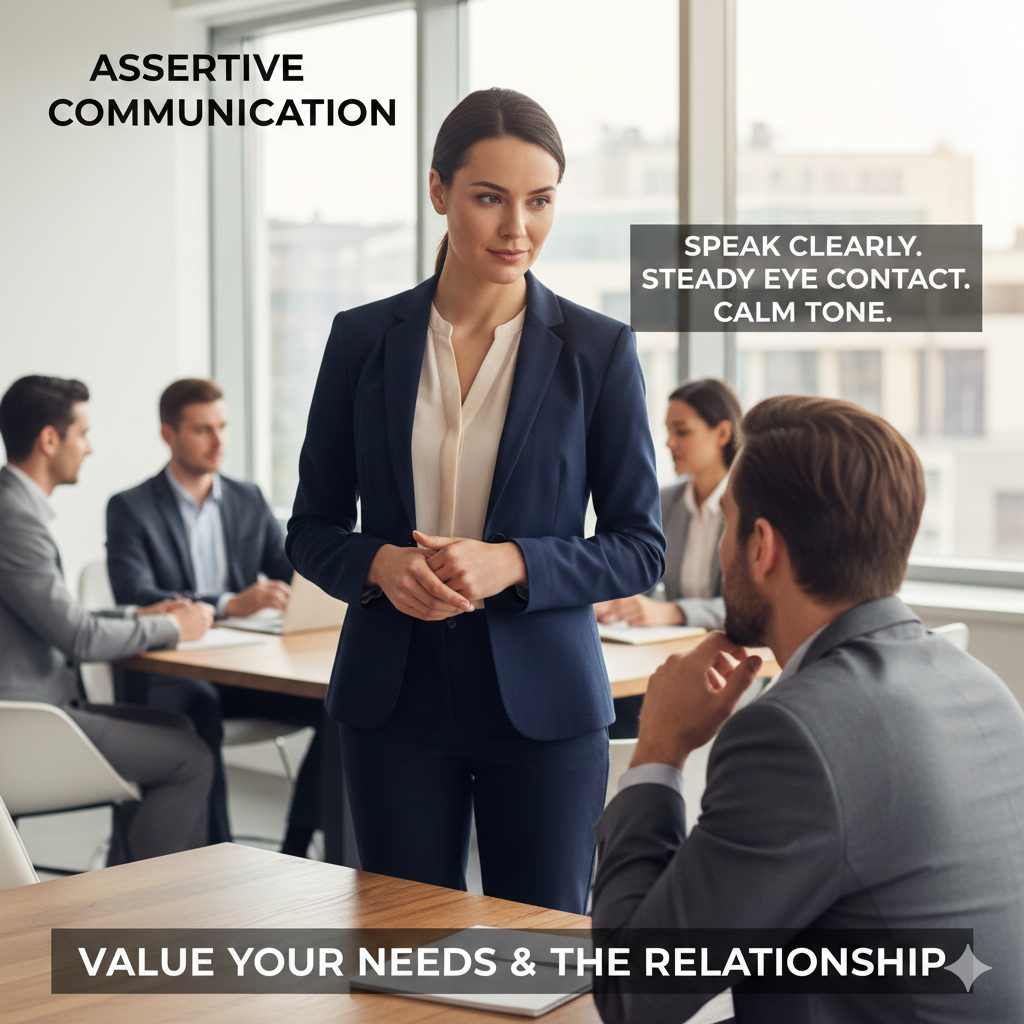
It is also helpful to explain the reason behind your boundary when appropriate. For example- saying “I need this time to rest” makes your intention clear without inviting debate. You are not asking for permission you are sharing your needs.

If someone reacts negatively- stay steady. Repeat your boundary without getting defensive. Many people simply need time to adjust especially if they are used to the old dynamic. Standing firm teaches others how to respect your limits.

Remember, communicating boundaries is a skill. The more you practice it, the more natural and empowering it becomes.
How to Handle Pushback When You Set Boundaries
When you start setting healthier boundaries some people may resist- especially if they benefited from your lack of limits before. This pushback is normal and doesn’t mean you are doing anything wrong. It’s simply a sign that dynamics are shifting.
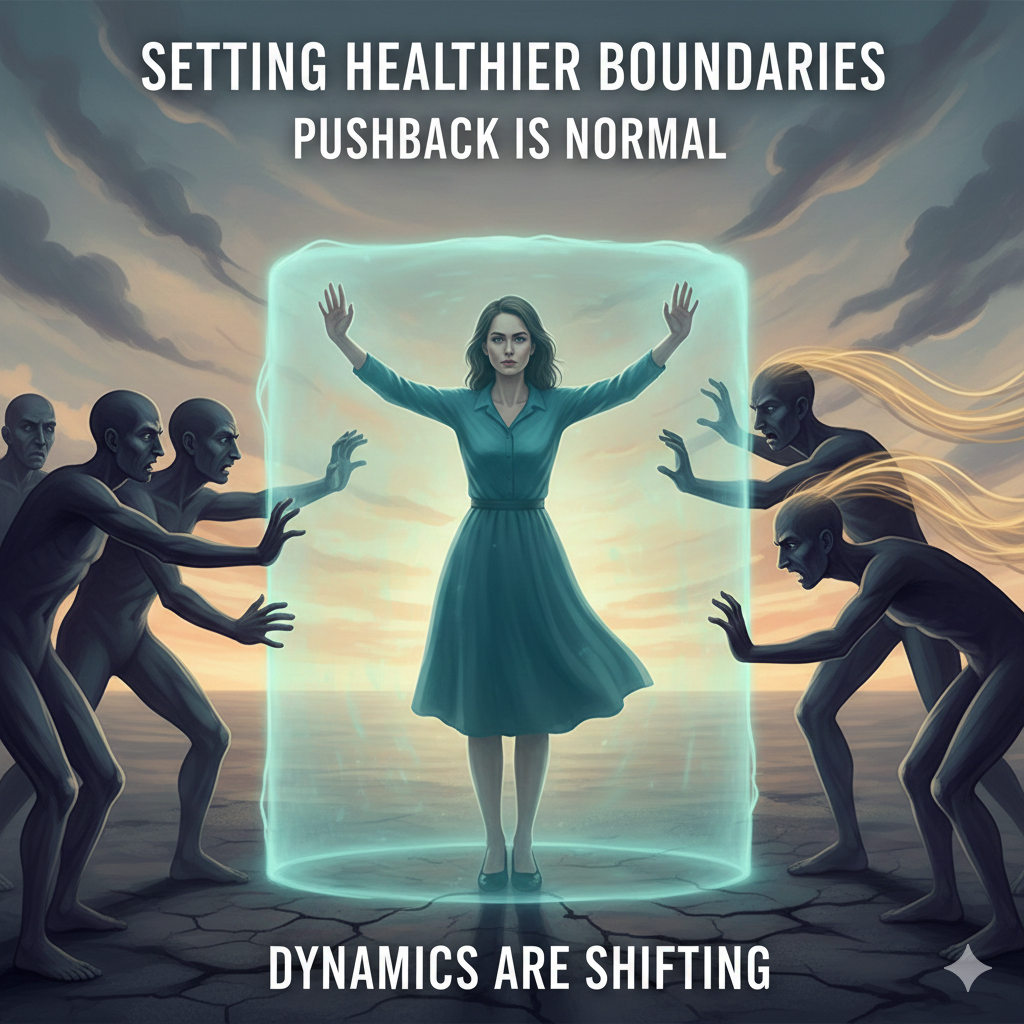
The most important strategy is to stay consistent. When someone tries to test your limits, calmly repeat your boundary. Consistency communicates that you’re serious and that this new rule isn’t temporary. Over the time most people adjust when they see you’re committed.

It also helps to remain calm and avoid getting defensive. Emotional reactions can escalate the situation while a steady tone shows confidence. You can acknowledge their feelings without changing your boundary, for example- “I understand this is new for you but this is what I need.”

If pushback continues you may need to set consequences such as leaving the conversation or taking space. This isn’t about punishment but it’s about protecting your well-being. Research shows that following through with consequences strengthens boundary respect and reduces conflict.
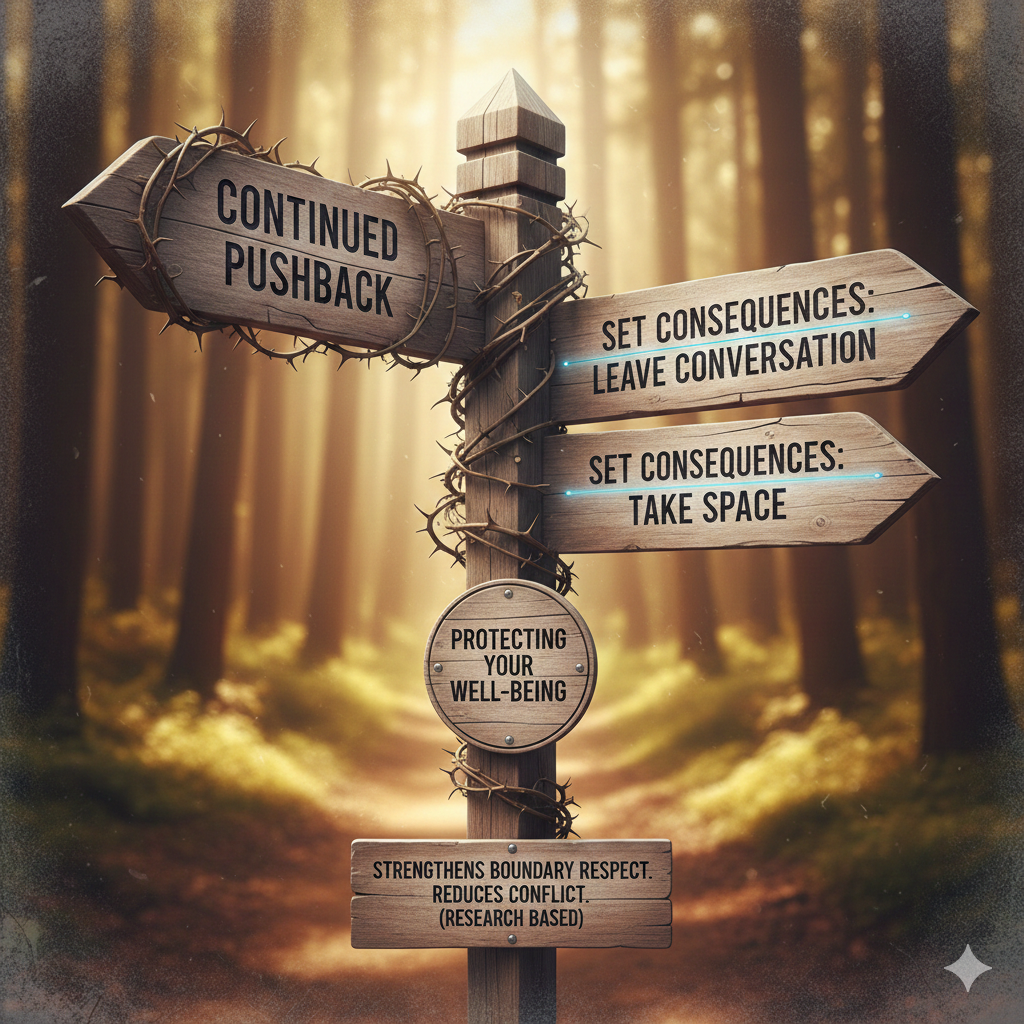
Remember- people who truly value you will eventually accept your limits. Those who don’t may reveal relationships that need reevaluating.
The Role of Self-Awareness in Setting Boundaries
Self awareness plays a major role in setting healthy boundaries. When you understand your emotions, triggers and limits it becomes easier to know what you need and where to draw the line. Paying attention to how situations make you feel is the first step toward creating stronger boundaries.

Practicing self awareness also helps you recognize patterns such as people who drain your energy or situations that repeatedly make you uncomfortable. These patterns guide you toward areas of your life that need clearer limits. Without self awareness boundaries often become reactive instead of proactive.

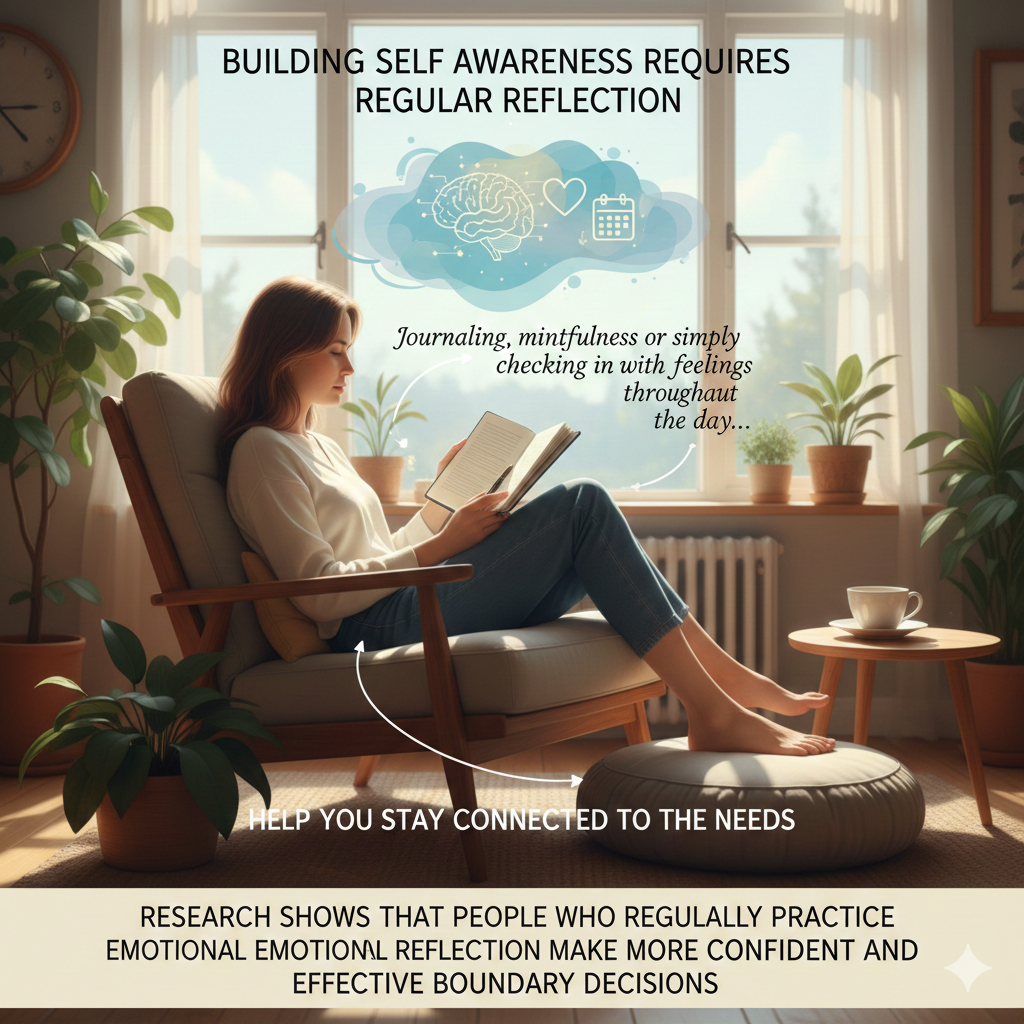
Building self awareness requires regular reflection. Journaling, mindfulness or simply checking in with your feelings throughout the day can help you stay connected to your needs. Research shows that people who regularly practice emotional reflection make more confident and effective boundary decisions.
As your self awareness grows, so does your ability to communicate your needs clearly. You begin to trust yourself more, make healthier choices and protect your emotional well-being with confidence.
Conclusion:
The most essential steps For protecting your mental well-being is Setting healthy boundaries and maintaining emotional balance and building healthier relationships. When you learn to express your needs clearly, you create space for peace, clarity and personal growth. Boundaries are not about shutting people out but they are about making your life more sustainable and supportive.
With consistent practice boundaries help you reduce stress, prevent burnout and improve your self-esteem. They guide you to make better decisions, recognize your limits, and stay aligned with your values. Over time, your relationships become more respectful, balanced and fulfilling because they are built on clear expectations.
Healthy boundaries are acts of self-love, not selfishness. Every time you communicate your needs, protect your energy or say no to what drains you, you create space for balance, clarity and peace. Start small, stay consistent and watch how your life transforms when you choose yourself. Feel free to copy, paste, and share this on Instagram, Facebook, or any social site to inspire others on their boundary-setting journey.
Related articles you may find useful:
Learn How to Maintain Long Term Relationship Excitement: Expert Strategies
How to Recognize If Someone Is Flirting With You: Here is How to be Sure 🤔
How to “Rizz up” a Girl with Pick-Up Lines